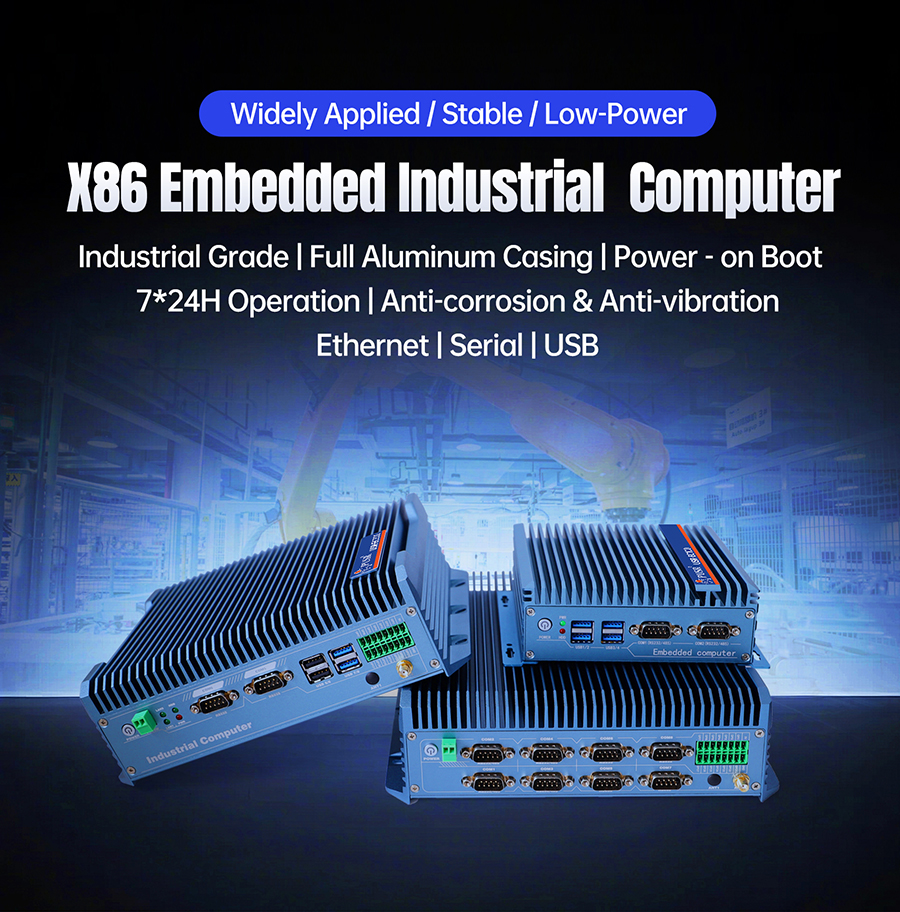
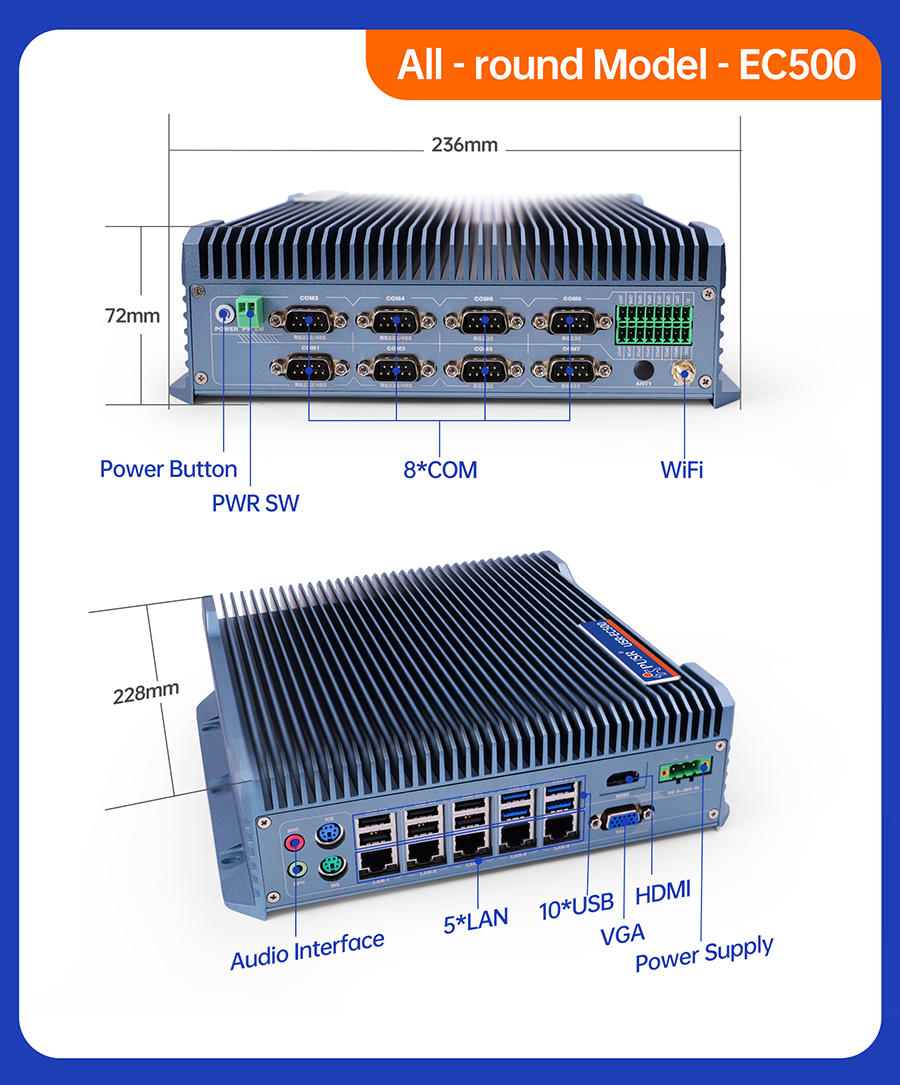
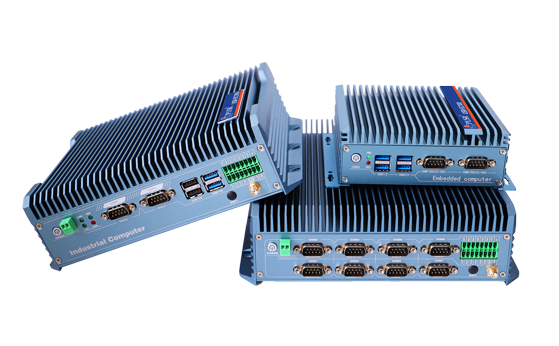
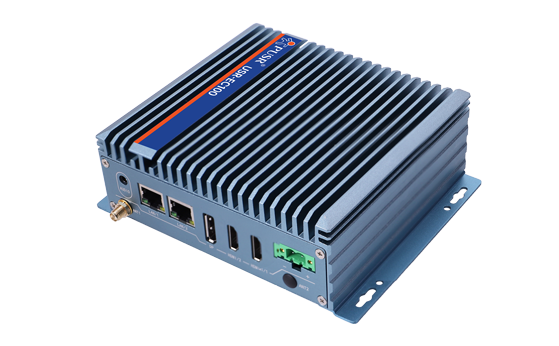
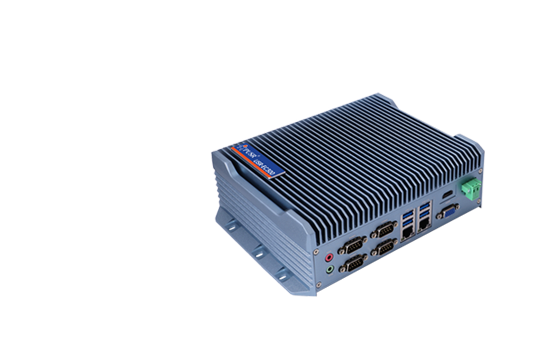
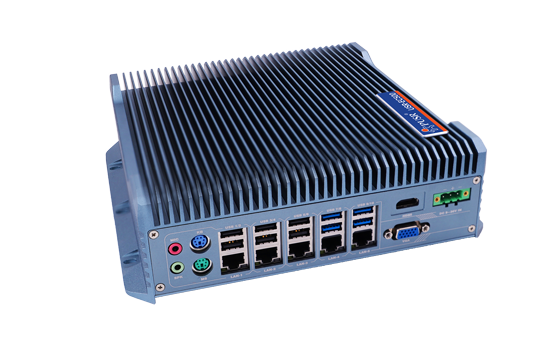
USR-EC Series Industrial-grade X86 Host is equipped with an Intel low-power processor. It features a fully enclosed aluminum casing, which is anti-corrosive, dust-proof, and high-temperature resistant, along with silent heat dissipation.
BUY
BUY
Industrial Design
Full aluminum alloy , fanless cooling
Stable Operation
7*24H Stable Operation
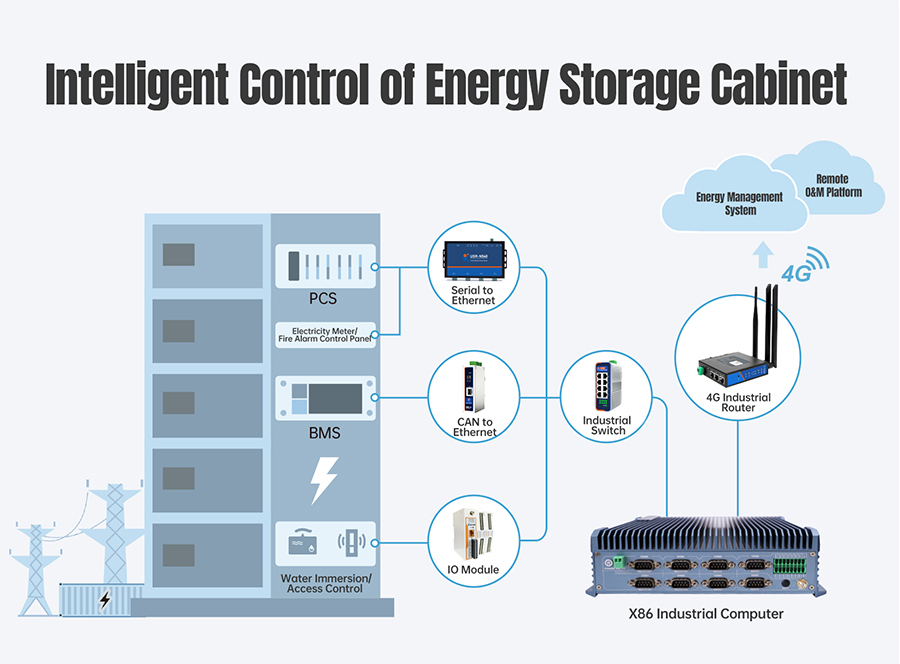
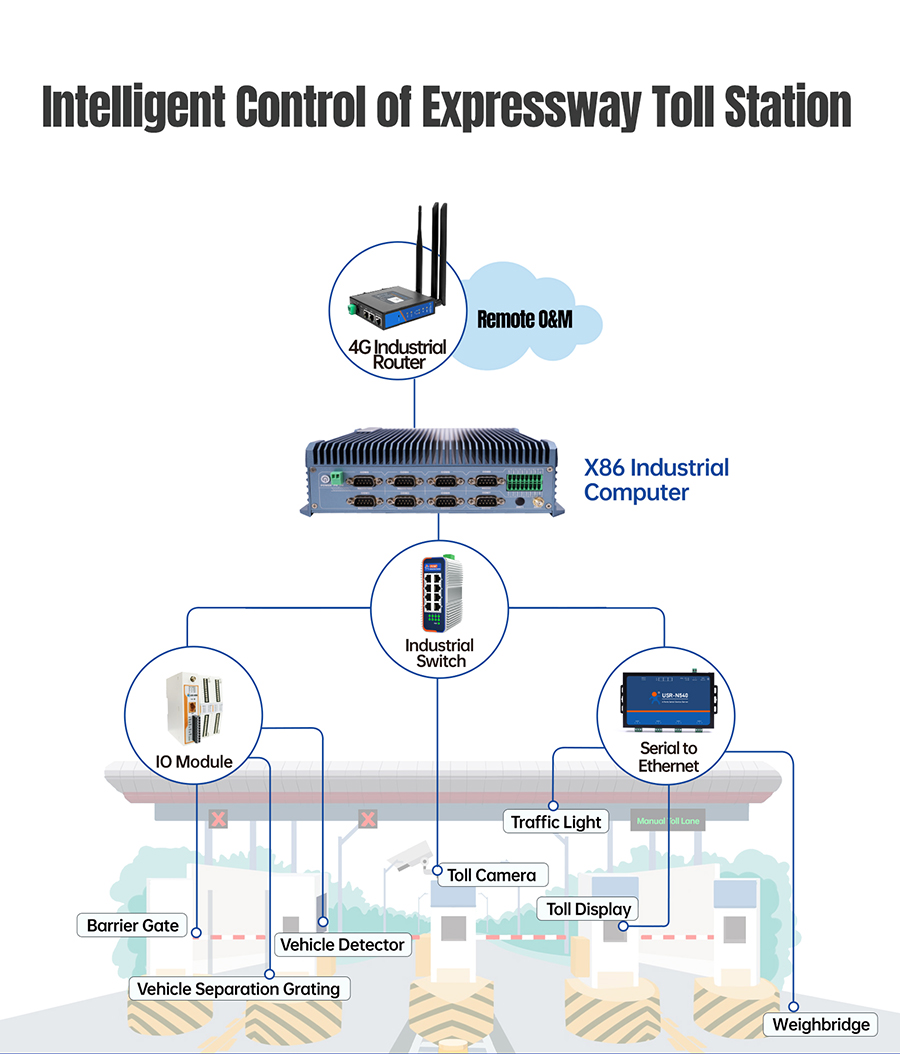
Rich Interfaces
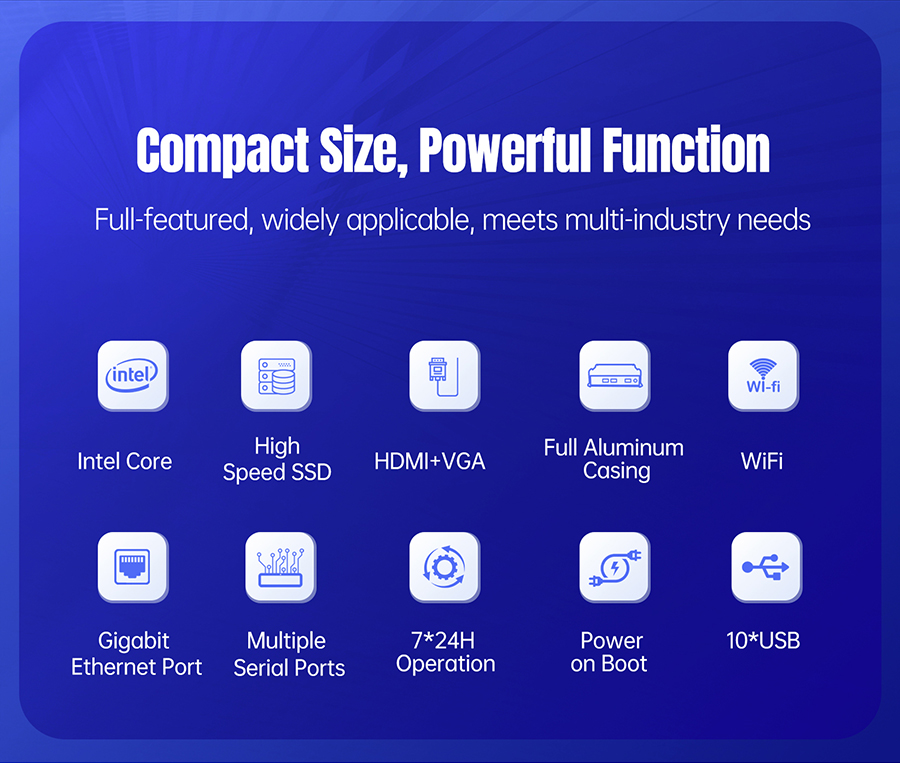
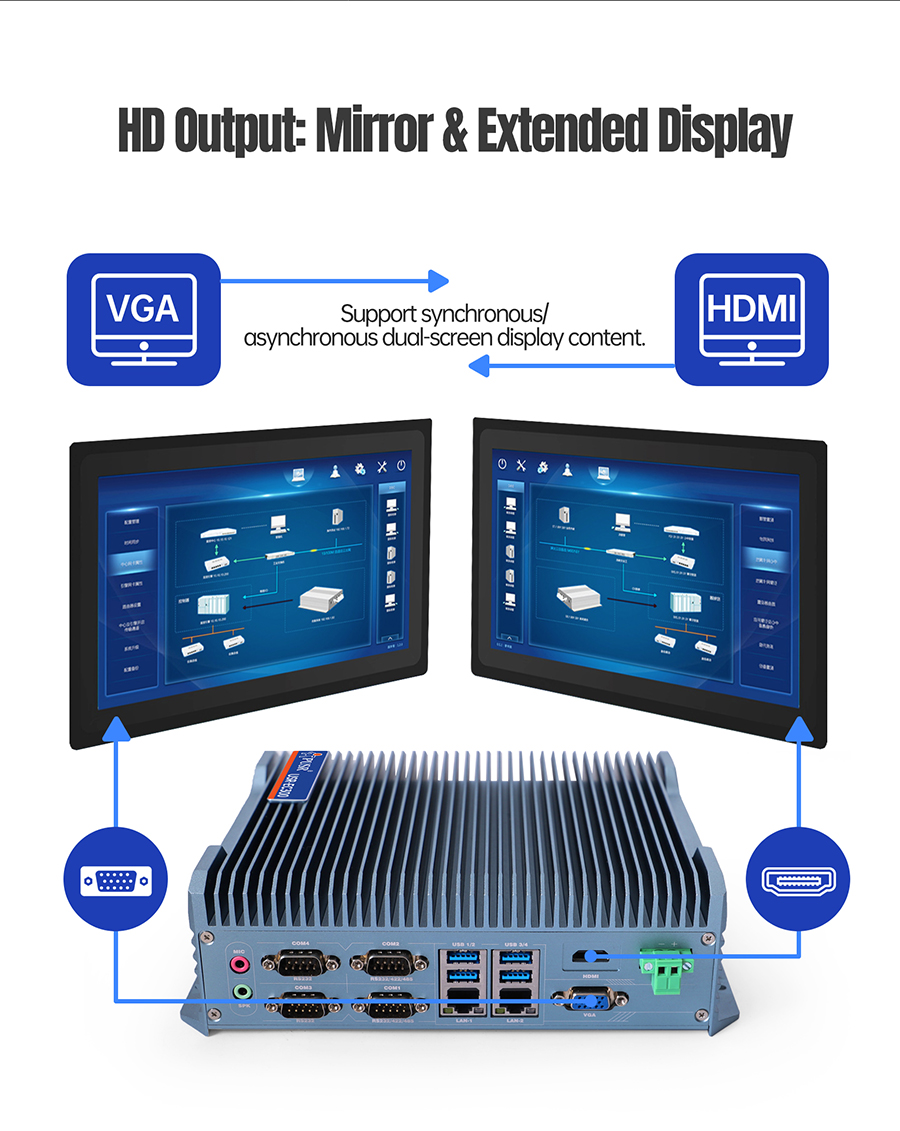
Ethernet ports, serial ports, USB, HDMI + VGA
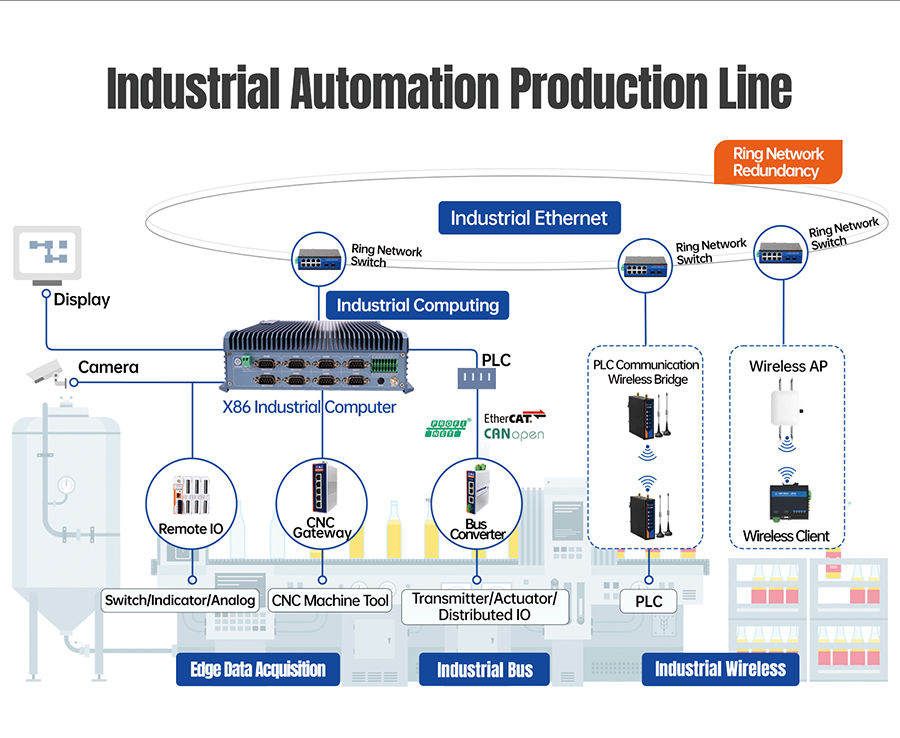
In the field of industrial automation, engineers often face dilemmas: a car manufacturing plant needs to upgrade its production line control system but finds that traditional PLCs cannot support AI vision inspection algorithms; an energy enterprise encounters data collection delays due to equipment compatibility issues when deploying a remote monitoring system; a medical device manufacturer has to sacrifice performance for a low-power solution to meet FDA certification requirements... These scenarios reveal a core contradiction—the demands for computing devices in industrial settings are evolving from "stable operation" to "high performance, high compatibility, and scalability."
The x86 Industrial PC (industrial-grade x86 computer) is designed to address this contradiction. Based on the Intel/AMD x86 architecture, it meets stringent environmental requirements through industrial-grade design (such as wide temperature range, vibration resistance, and dust resistance) while offering computing performance comparable to commercial PCs. Taking the USR-EC100/EC300/EC500 series as an example, their core values lie in:
Performance leap: Support for
multi-core processors to easily handle complex algorithms (such as machine vision and deep learning);
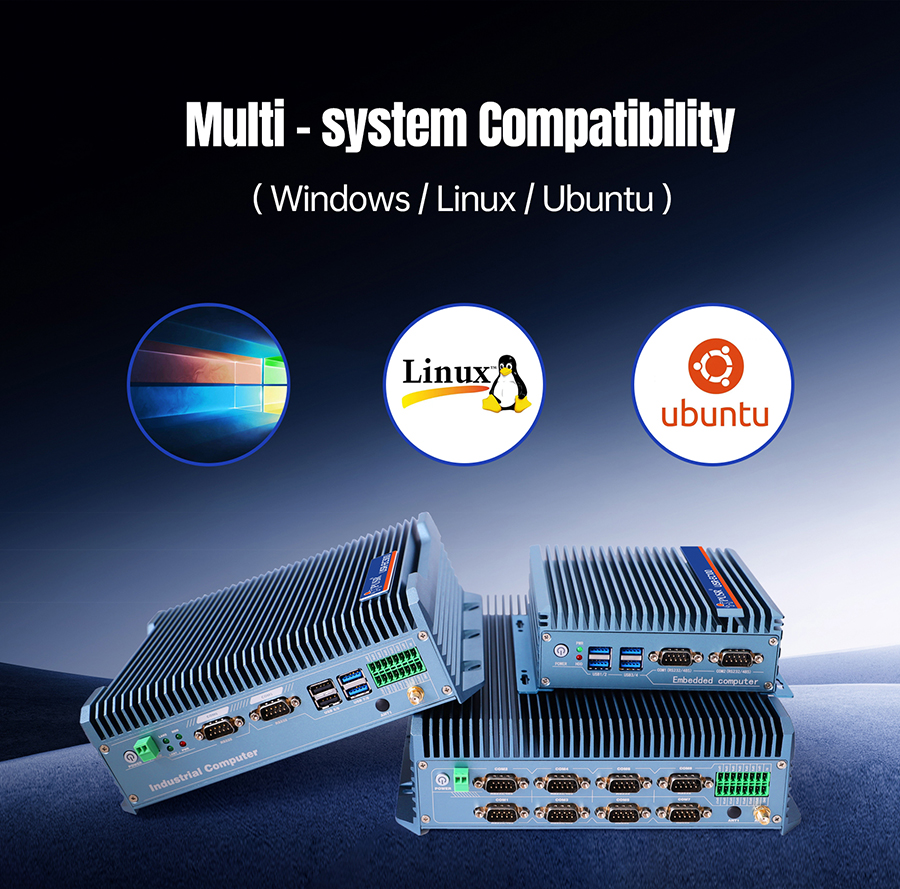
Ecosystem compatibility: Seamless operation of Windows/Linux systems and various industrial software (such as LabVIEW and Codesys);
Flexible scalability: Rich interfaces including PCIe, USB, and COM, supporting customization;
Long-term availability: The universality of the x86 architecture ensures hardware iteration cycles of 5-10 years, avoiding the risk of technological obsolescence.
A semiconductor packaging enterprise's actual test showed that after adopting the USR-EC300, the Overall Equipment Effectiveness (OEE) increased by 22%, and the product defect rate decreased by 15%, validating the performance advantages of the x86 architecture in industrial scenarios.
2. Differences between x86 Industrial PCs and ARM Industrial PC
When choosing an x86 Industrial PC, customers often struggle with the "x86 vs. ARM" dilemma: a logistics sorting center chooses ARM devices to reduce power consumption but finds that existing Windows management software cannot run; an intelligent grid project adopts ARM architecture but experiences data collection errors exceeding standards due to insufficient floating-point arithmetic capabilities... These cases reveal the differences in applicable scenarios between the two architectures.
2.1 Performance Comparison: x86's "All-Rounder" vs. ARM's "Specialist"
x86:
Advantages: High-performance multi-core (e.g., the USR-EC500 is equipped with an Intel Core i7 with a single-core turbo frequency of 4.9GHz), supporting complex computing (such as real-time control and AI inference);
Scenarios: Applications requiring high-precision motion control and multi-task parallel processing (such as robots and CNC machine tools).
ARM:
Advantages: Low power consumption (typical power consumption of 5-10W), suitable for battery-powered or heat-constrained scenarios (such as portable devices and outdoor sensors);
Scenarios: Simple data collection and low-load monitoring tasks (such as environmental monitoring and smart meters).
2.2 Ecosystem Compatibility: x86's "Open Ecosystem" vs. ARM's "Closed System"
x86:
Supports Windows/Linux systems and x86 architecture industrial software (such as TwinCAT and WinCC);
b hardware scalability (e.g., adding motion control cards and vision acquisition cards via PCIe);
Long-term technical accumulation and rich development resources.
ARM:
Typically runs customized Linux or RTOS, with high software adaptation costs;
Low interface standardization, with functional scalability dependent on manufacturer support;
Fragmented ecosystem, with higher long-term maintenance risks.
2.3 Cost and Maintenance: x86's "Long-Term Value" vs. ARM's "Short-Term Advantage"
x86:
Higher initial procurement costs but lower secondary development costs due to compatibility;
Long hardware iteration cycles (e.g., the USR-EC100 supports over 2 years of availability), avoiding frequent replacements;
Convenient maintenance (easy procurement of universal components).
ARM:
Lower hardware costs but potentially higher software adaptation and long-term maintenance costs;
Chip supply restricted by manufacturers, with risks of discontinuation (e.g., device downtime caused by an ARM manufacturer's production halt).
Typical case: A photovoltaic power station monitoring system initially adopted ARM devices, resulting in data collection errors of 3% due to insufficient floating-point arithmetic capabilities; after switching to the USR-EC300, the error rate dropped to 0.1%, achieving seamless integration with existing systems.
3. What are the advantages of the Mini version of Industrial PCs?
Traditional x86 Industrial PCs often face issues due to their size:
Space waste: A 3C product assembly line reduced production line density by 25% due to the large size of x86 Industrial PCs;
Installation difficulties: A medical device required an external computing unit, increasing cable complexity and signal delays;
Inefficient maintenance: A wind farm required 4 hours for a single maintenance task due to narrow equipment space.
Industrial mini PC (such as the USR-EC100/EC300/EC500) address these pain points through compact design:
① Space revolution:
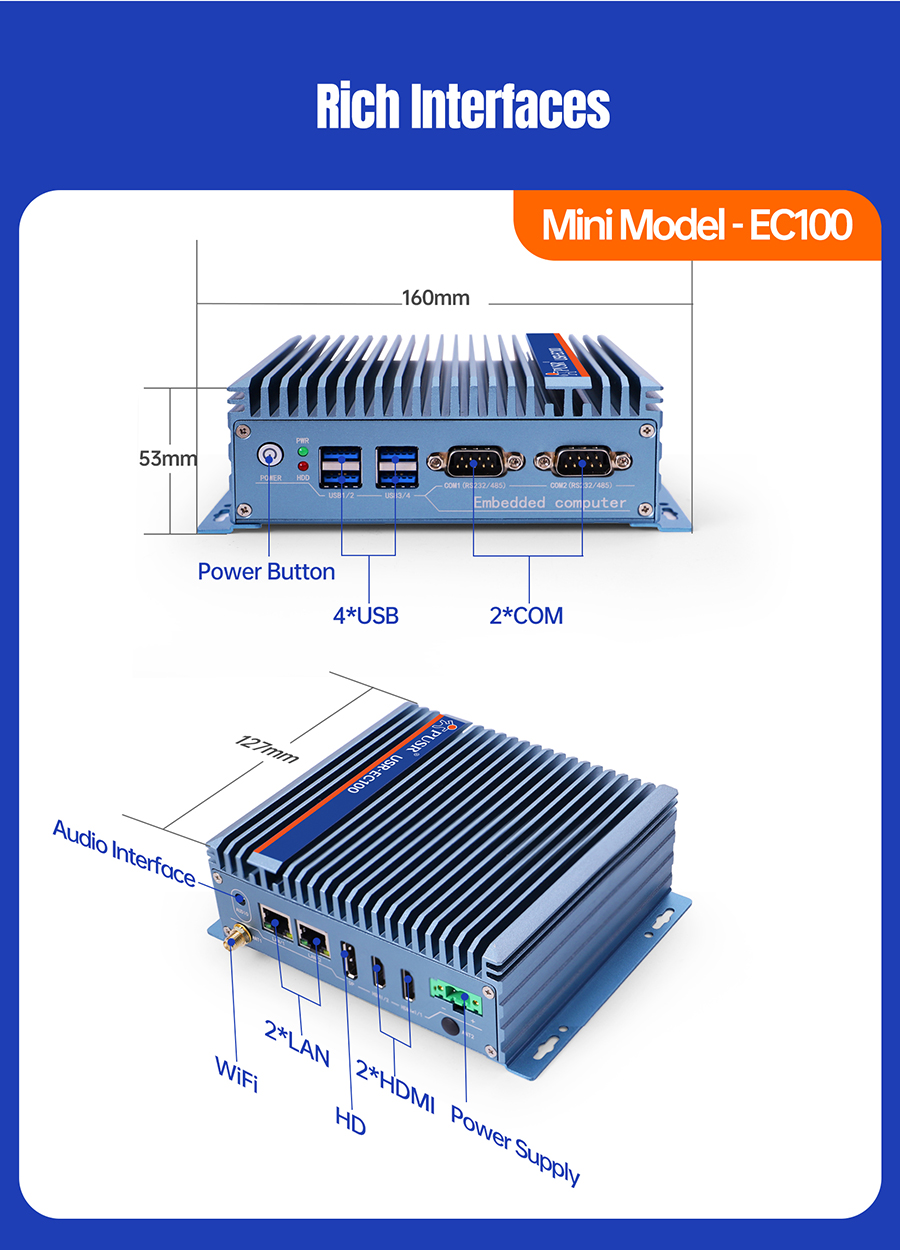
The USR-EC100 measures only 160mm×127mm×53mm and can be embedded inside equipment (such as CNC machine tools and AGVs);
Supports DIN rail mounting, saving 60% of installation space.
② Energy efficiency optimization:
The USR-EC300 has a total power consumption of no more than 100W under full load, equivalent to one-third of traditional x86 Industrial PCs;
Intelligent power management, with power consumption below 15W in idle state.
③ Reliability improvement:
All-solid-state storage (eMMC 128GB) with a vibration resistance level of 5Grms;
Fanless cooling and IP50 dust protection rating;
Electromagnetic compatibility certified to IEC 61000-4-6 Level 4.
An actual test by a logistics sorting center showed that after adopting the USR-EC100, unit area productivity increased by 18%, and annual electricity costs decreased by 65%.
4. Features and advantages of the x86 Industrial PC EC100/EC300/EC500
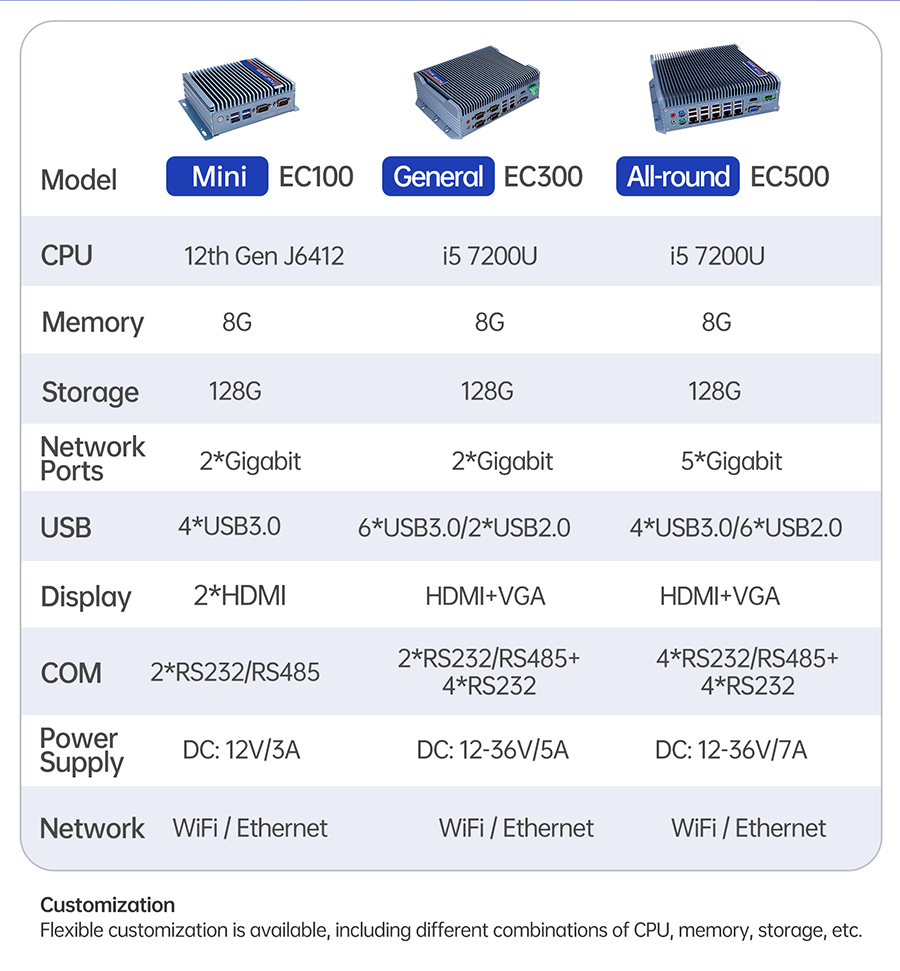
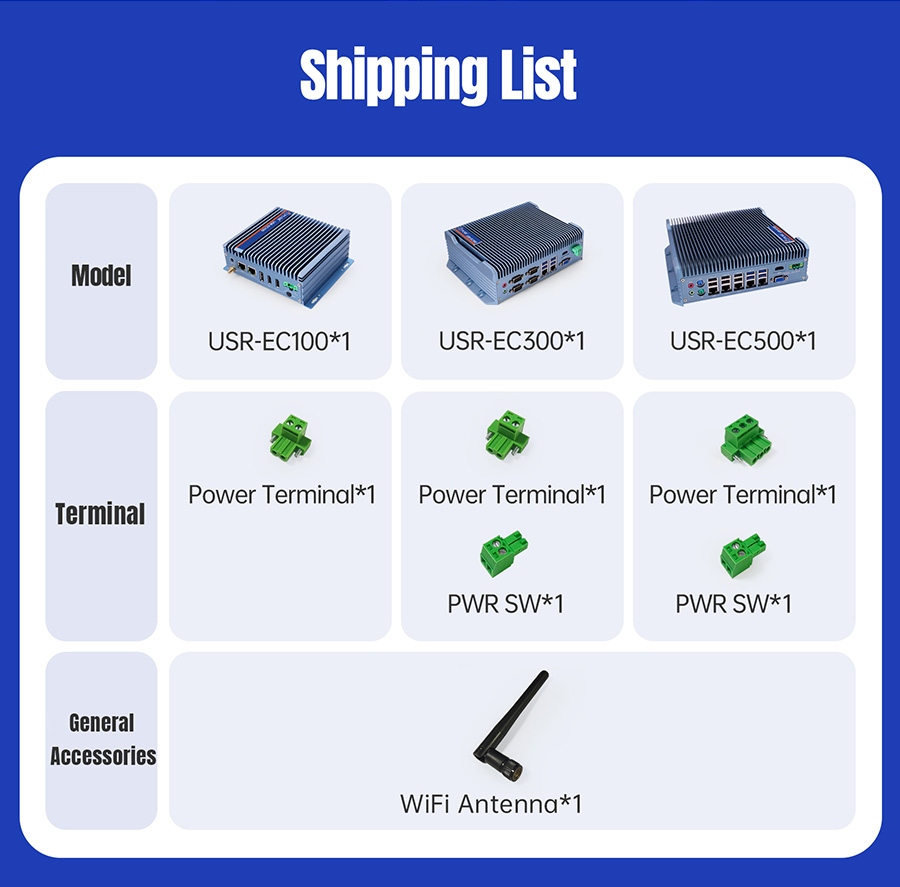
The USR-EC series meets diverse needs through differentiated design:
● Total power consumption no more than 100W, supports 12V voltage input
● 2× Gigabit Ethernet ports + 4× USB 3.0
● 2× HDMI
● 2× RS232/485
● Preferred for price-sensitive scenarios
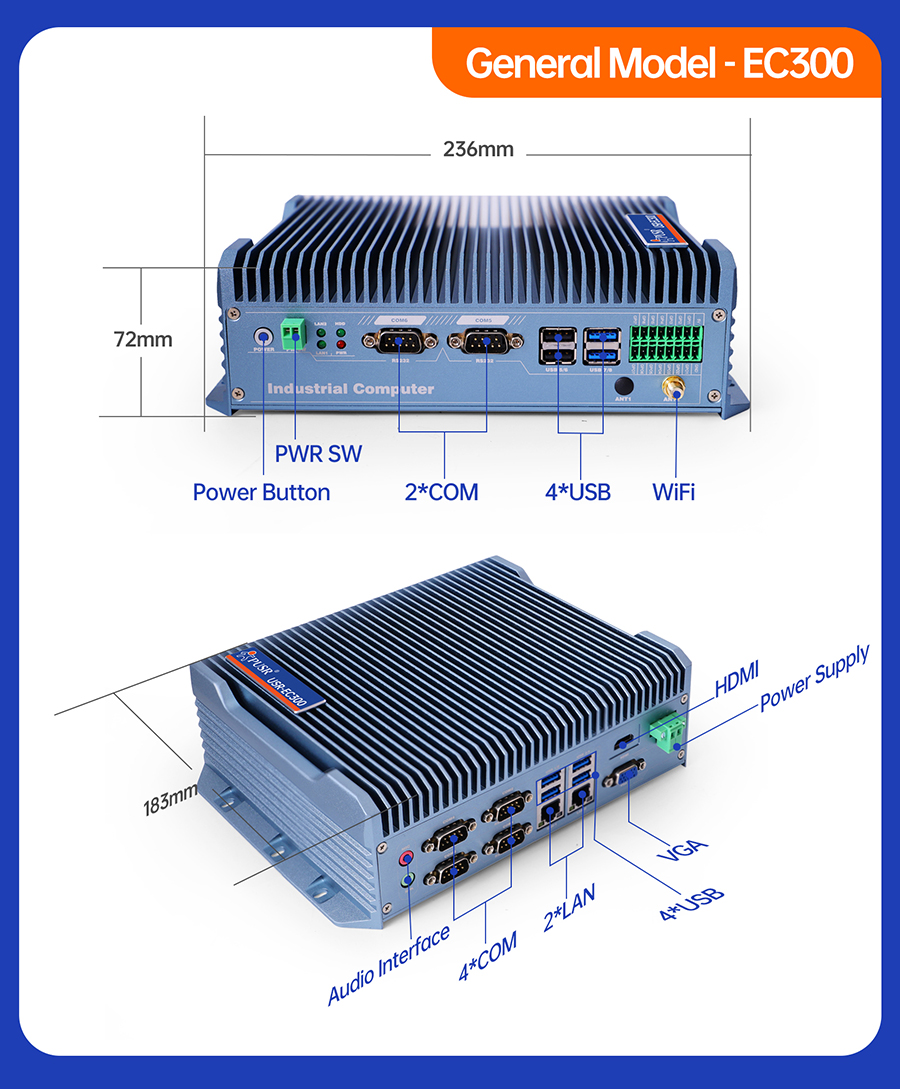
EC300
Processor:Intel Core i5-7200U
● Intel Core i5-7200U (2.5 GHz up to 3.1GHz, 2 cores, 4 threads)
● 12-36V wide voltage power supply
● 2× Gigabit + 6× USB
● HDMI+VGA
● 2× RS232/485 + 4× RS232
EC500
Processor:Intel Core i5-7200U
● Intel Core i5-7200U (2.5 GHz up to 3.1GHz, 2 cores, 4 threads)
● PCIe 4.0×4 expansion slot
● 5× Gigabit + 4/6× USB
● HDMI+VGA
● 4× RS232/485 + 4× RS232
4.1 Heterogeneous computing architecture: A versatile performer in a compact form
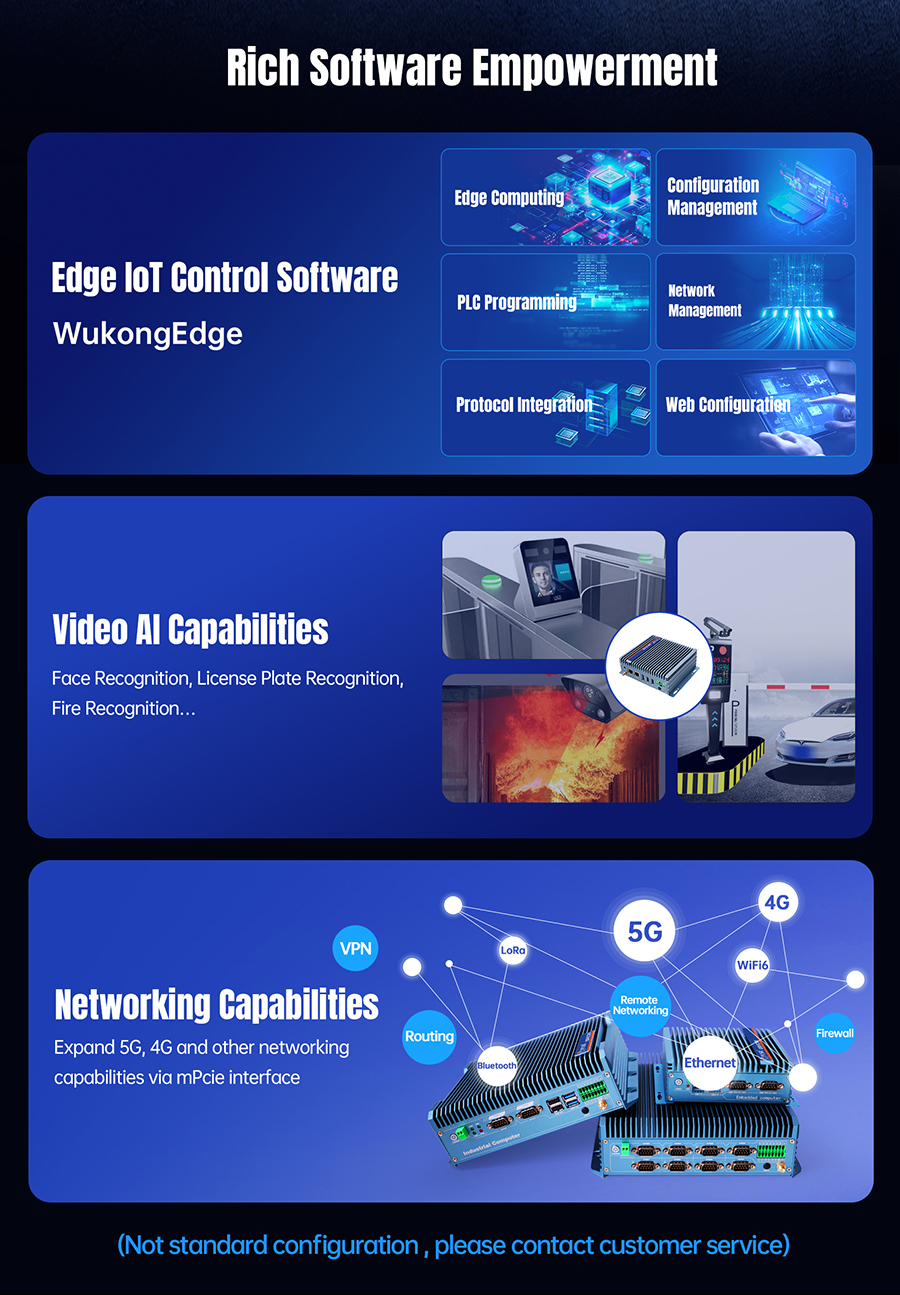
CPU+GPU+NPU collaboration: The USR-EC300 integrates UHD Graphics and an independent AI acceleration unit, enabling simultaneous operation of machine vision algorithms (such as defect detection) and motion control tasks with a latency below 5ms.
Industrial-grade interfaces: Supports 2× RS232/485 (opto-isolated), 8× GPIO, and 2× CAN buses, meeting complex connection requirements in industrial settings.
4.2 Security protection system: Comprehensive defense from chip to cloud
Data security: AES-256 encryption engine, supporting Secure Boot;
Network protection: Built-in firewall, supporting VLAN division and 802.1X authentication.
4.3 Intelligent management functions: Device control across time and space
Remote management: Batch deployment and fault fault warning via IPMI 2.0;
Health monitoring: Real-time monitoring of CPU temperature, voltage, and fan speed;
Predictive maintenance: Machine learning-based analysis of device operation data to provide 30-day fault warnings in advance.
5. How to select the x86 Industrial PC EC100/EC300/EC500?
Customers often face the following confusion when selecting models: an intelligent warehousing project experienced insufficient performance due to incorrect model selection; a medical device manufacturer incurred cost waste due to over-configuration. The USR-EC series provides a clear selection logic:
5.1 Selection based on performance requirements
EC100: Suitable for simple data collection and low-load monitoring (such as environmental sensors and smart meters);
EC300: Meets medium-load requirements such as machine vision and motion control (such as AGV navigation and CNC machine tools);
EC500: Targeted at high-performance scenarios such as high-precision control and AI inference (such as robots and semiconductor inspection).
5.2 Selection based on scalability requirements
Need PCIe expansion: Choose the EC500 (supports PCIe 4.0×4);
Need multi-screen display: Choose the EC300/EC500 (supports 4K dual screens);
Need low power consumption: Choose the EC100 (full load power consumption of 15W).
5.3 Selection based on environmental adaptability
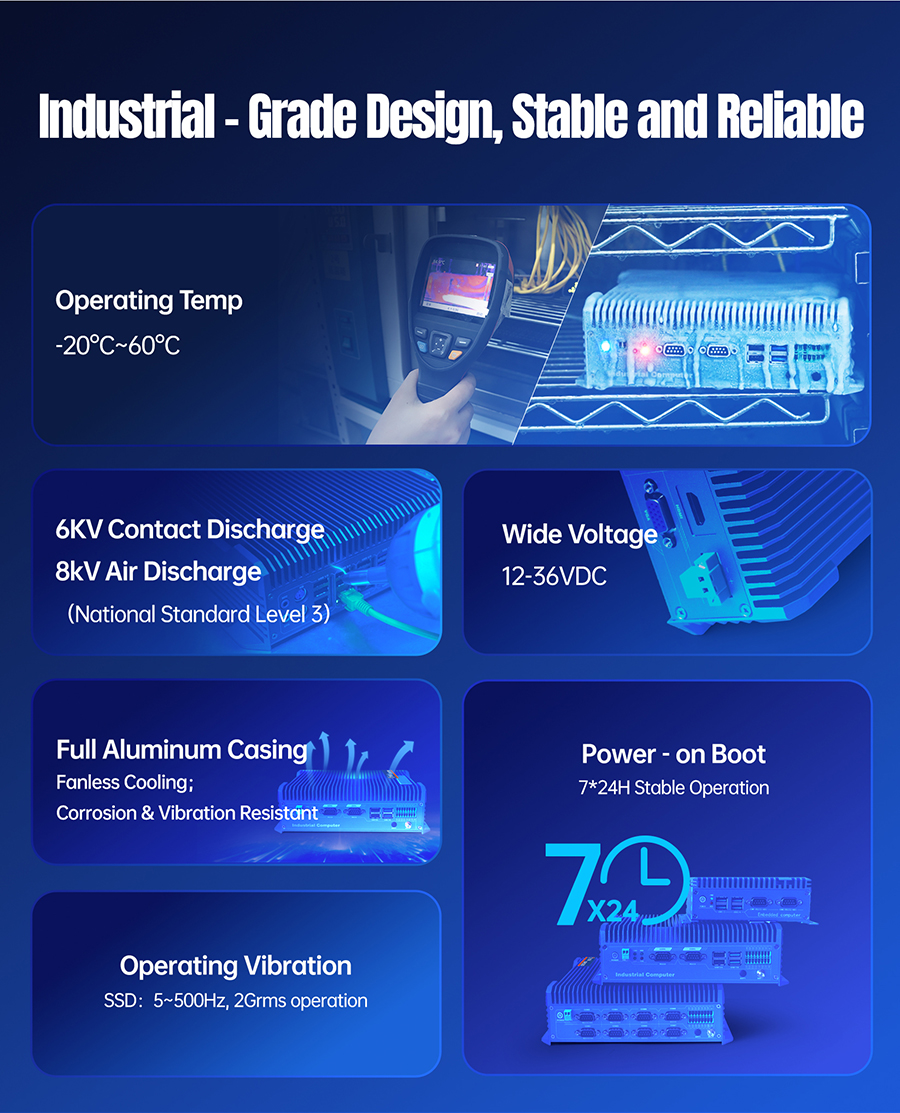
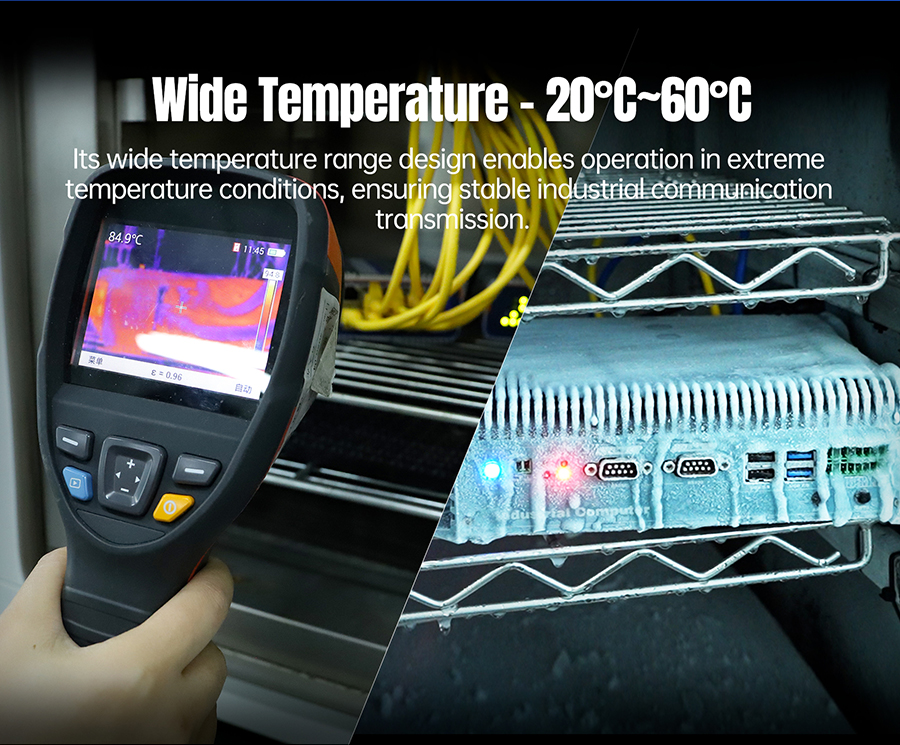
Wide temperature requirements: All EC series models support an operating temperature range of -20℃ to 60℃ (optional -40℃ to 85℃ extension);
Vibration resistance requirements: The EC500 has a vibration resistance level of 10Grms, suitable for automotive and wind power scenarios;
Dust protection requirements: IP50 protection rating, meeting most industrial environments.
6. Who is suitable for using the x86 Industrial PC EC100/EC300/EC500?
6.1 Industrial automation field
Electronics manufacturing: The USR-EC300 drives 8 collaborative robots for coordinated operation, achieving a motion control response time of 0.05 seconds;
Energy and power: The EC500 achieves 99.9999% data availability and a 92% accuracy rate in fault pre-diagnosis in wind farm monitoring systems;
Machining: The EC100 replaces traditional PLCs, saving 40% in equipment retrofit costs.
6.2 Intelligent transportation systems
Urban traffic signal control: The EC300 reduces signal switching delay from 200ms to 30ms, supporting AI-based timing optimization;
Rail transit signaling: The EC500 ensures safe metro operation with a 30μs-level real-time response and 20V/m electromagnetic interference resistance.
6.3 Medical device field
Portable ultrasound devices: The EC100 reduces device weight by 50% and extends continuous operation time to 10 hours;
Surgical robots: The EC500 provides 8-core 16-thread computing power, supporting high-precision force feedback control.
6.4 Agricultural IoT field
Smart greenhouse control: The EC300 achieves ±0.5℃ temperature control and edge AI pest and disease identification, reducing pesticide use by 30%;
Livestock farming monitoring: The EC100 supports solar power supply through low-power design, reducing deployment costs.
7. Application areas of the x86 Industrial PC EC100/EC300/EC500
7.1 Smart manufacturing: The micro-engine of Industry 4.0
In a "lights-out factory," the USR-EC500 serves as an edge computing node:
Real-time processing of data from 500+ sensors;
Driving 24 collaborative robots for coordinated operation;
Stable operation in vacuum environments (altitude 0-40,000 meters);
Wide temperature operating range (-20℃ to 60℃);
Low-power characteristics extending device battery life (significant advantage in solar scenarios);
Supporting aerospace-grade encrypted communication (SM4 algorithm).
Redefining the form and value of industrial computing
While traditional x86 Industrial PCs struggle with performance, compatibility, and space issues, the USR-EC100/EC300/EC500 series, with the unique advantages of the x86 architecture, opens a new path of high performance, high reliability, and intelligence for industrial settings. It is not just a product but a revolution in industrial computing paradigms—eliminating performance bottlenecks, compatibility barriers, and space limitations to truly make devices catalysts for productivity. For industrial users pursuing ultimate efficiency and eager to break through technological boundaries, the USR-EC series offers not just a solution but a key to unlocking a new era of industrial intelligence. In this transformation, computing devices are evolving from "functional tools" to "performance partners," forming a deeper symbiotic relationship with industrial settings.
Industrial loT Gateways Ranked First in China by Online Sales for Seven Consecutive Years **Data from China's Industrial IoT Gateways Market Research in 2023 by Frost & Sullivan
We use cookies to ensure that we give you the best
experience on our website. If you continue to use this site we will assume that you are happy with it.