Temporary construction sites without fixed broadband, remote monitoring stations, mobile inspection vehicles — these off-grid locations rely on cellular router to connect PLCs, sensors, and cameras back to the control room. The first question engineers face when selecting hardware is often the same: is 4G enough, or should we go 5G?
The answer depends on actual data volume, not peak speed numbers.
The first scenario is data-reporting sites. Electricity meter readings, environmental temperatures, pump and valve statuses — each transmission is only tens to hundreds of bytes, sent every few minutes or even hours. For these applications, 4G bandwidth is more than sufficient, and monthly data costs on 4G routers are noticeably lower.
The second scenario is remote debugging sites. Engineers need to access on-site PLCs remotely to download programs, modify parameters, and pull historical trend data. Data volume is small, but connection stability and controlled latency are critical. 4G usually handles this well; however, if a site simultaneously runs multiple camera streams or needs to transfer larger files (such as batch HMI screen updates), 5G provides more comfortable download and upload headroom.
The third scenario is high-bandwidth sites. Multi-stream 1080p or 4K video backhaul, edge AI inference uploads, massive concurrent sensor networks — when uplink consistently exceeds 50 Mbps, 4G links begin queuing. Latency climbs from tens of milliseconds to hundreds, causing video stuttering and command delays. Only in these conditions does 5G's low latency and large uplink capacity become genuinely meaningful.
Before choosing 5G, first verify whether the site's 5G coverage is actually stable. 4G networks have been built for years, and their penetration and coverage in basements, steel-structure warehouses, and remote mountainous areas generally outperform 5G. Many sites specify 5G-capable routers, only to discover after installation that 5G signals fluctuate, causing the router to frequently switch between 5G and 4G — which can be less stable than simply locking to 4G.
Two practical approaches exist to verify coverage: use the carrier's published signal coverage maps for initial screening, then measure RSRP and SINR values at different positions on-site with a test unit. If 5G RSRP stays below -110 dBm long-term, or SINR frequently drops to negative values, the actual 5G experience may perform worse than 4G.
4G cellular router typically cost 30% to 50% less than 5G models, and monthly data plan prices are also relatively lower. For applications that only upload small telemetry data, equipping every site with a 5G router represents over-specification.
However, cost evaluation should not stop at individual hardware. If a 4G link causes delayed data transmission due to insufficient bandwidth, requires multiple round trips for remote debugging, or produces video stuttering that impacts safety monitoring, these hidden costs quickly offset the hardware price difference.
Choose a 4G cellular router when:
Choose a 5G cellular router when:
A more practical approach is hybrid deployment — not every site needs the same spec. Grade sites by importance and data volume:
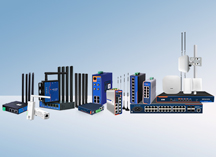
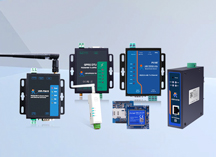
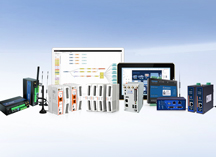
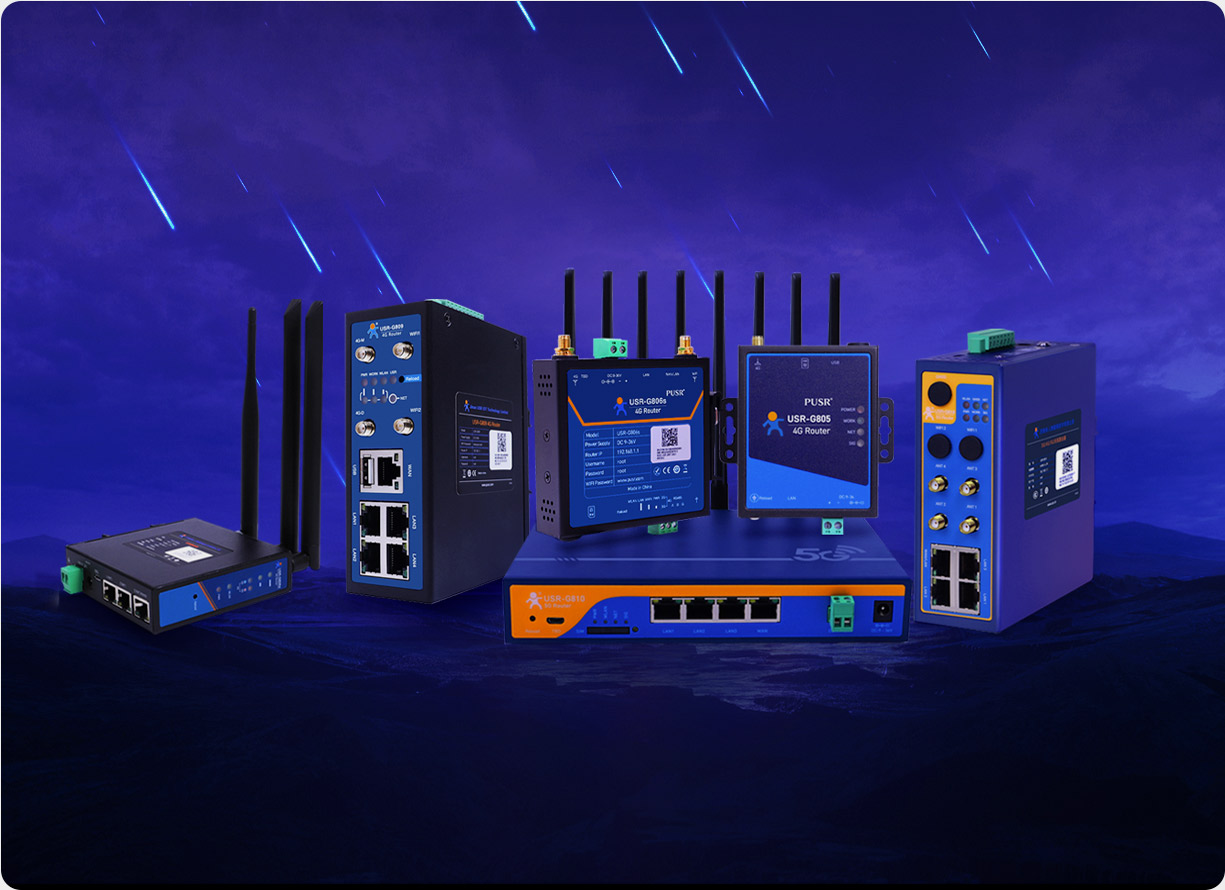
Deploy 5G at core sites (multi-stream video, critical control); deploy 4G at standard sites (telemetry-only). This controls overall costs while ensuring high-bandwidth sites have sufficient capacity. PUSR's industrial cellular router product line covers both 4G and 5G models, allowing engineers to select flexibly based on site tiering.
4G and 5G are not a "who replaces whom" relationship, but rather "who fits whom." For cellular router selection at remote sites, the recommended decision sequence is:
The core mission of a cellular router is to stay connected and keep running — not to achieve the highest speed number on a spec sheet. Choosing between 4G and 5G depends on each site's genuine needs, not the maximum value listed on a datasheet.