Retail store networks are growing increasingly complex. Cash registers, advertising screens, surveillance cameras, smart lighting, electric meters, air conditioners, and freezer door sensors — each type of device has its own communication protocol and networking requirements. These devices are scattered across different systems, and headquarters wanting unified control often ends up piecing together solutions from multiple vendors, with cabling, commissioning, and maintenance costs stacking up at every step.
Solving these problems Concentration comes down to one clear approach: let all store devices connect through a single industrial gateway to the cloud, managed centrally from headquarters.
Here is how it works.
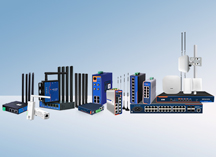
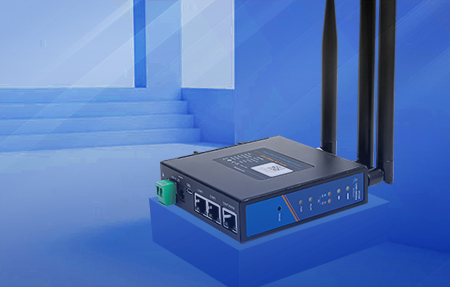
First, the network entry. Stores typically lack dedicated wiring infrastructure, so 5G/4G wireless connectivity with dual WAN port redundancy is the standard use case for the industrial gateway U200s. A single Ethernet cable runs from the gateway to various areas inside the store, with public and private networks physically separated — staff Wi-Fi and customer Wi-Fi operate independently. The cost here is significantly lower than running a separate cable for every device type.
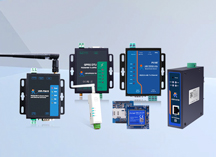
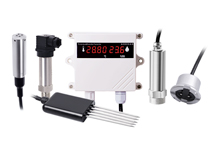
Next, device-layer connectivity. Stores contain smart meters via RS485 bus, freezer controllers communicating through Modbus, and door sensors sending dry contact signals — none of these can connect to the network directly. A DDS data collector attached to the gateway side converts RS485 meter readings and door sensor signals into standard Modbus TCP, which the gateway then uploads. Hardware cost is calculated per channel, so adding one more meter simply requires one additional RS485 port with minimal incremental investment.
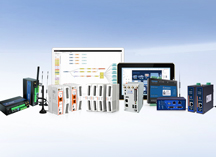
Then comes energy management. Electricity bills represent a major expense for stores, yet many chain brands only see month-end statements without knowing which areas or time periods consume the most power. The M300 industrial gateway supports drag-and-drop programming to configure time-sharing and zoning strategies — full lighting during business hours, basic lighting only at night; air conditioning automatically adjusted by zone temperature; alarms triggered when freezer doors remain open too long. All these logic rules execute locally on the gateway without requiring cloud commands, with latency controlled at the millisecond level.
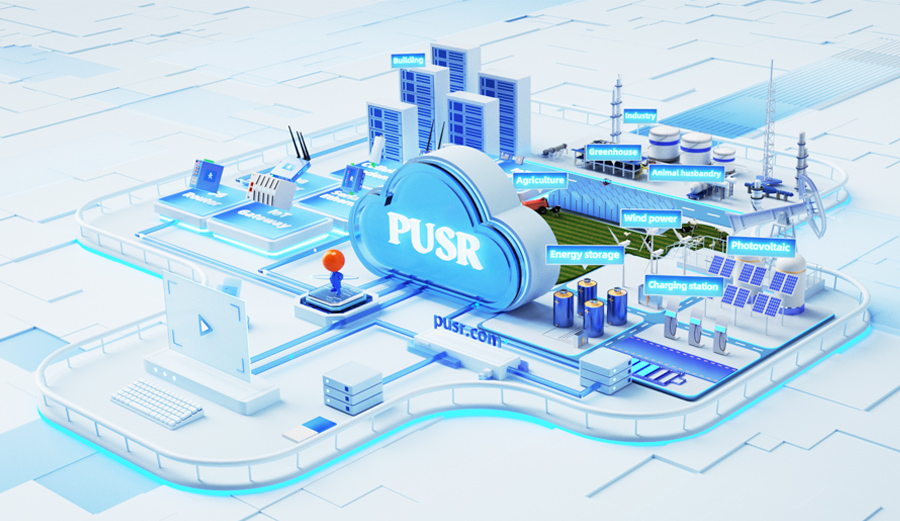
The cloud management platform serves as the core entry point for headquarters. PUSR Cloud provides unified device management, remote data monitoring, and SIM card management. Headquarters operations staff can view real-time meter readings, device online status, and energy consumption trends across all stores nationwide. When a batch of freezer door sensors malfunctions, the cloud platform can push diagnostic commands in bulk instead of sending technicians to each store individually.
From an overall solution cost perspective, this architecture offers several advantages over traditional distributed approaches:
Hardware. One M300 gateway replaces three or four standalone controllers — lighting control panels, meter data collectors, and door sensor controllers purchased separately add up. Integrating these functions inside the gateway means a single procurement.
Cabling. All RS485 devices inside the store connect in series to the DDS via one bus, and the gateway backhauls data through 5G/4G, eliminating the need to run separate cables for each device type.
Maintenance. Centralized cloud management means operations staff do not need to visit stores to adjust parameters. Firmware upgrades, strategy updates, and alarm threshold modifications are all handled from the backend.
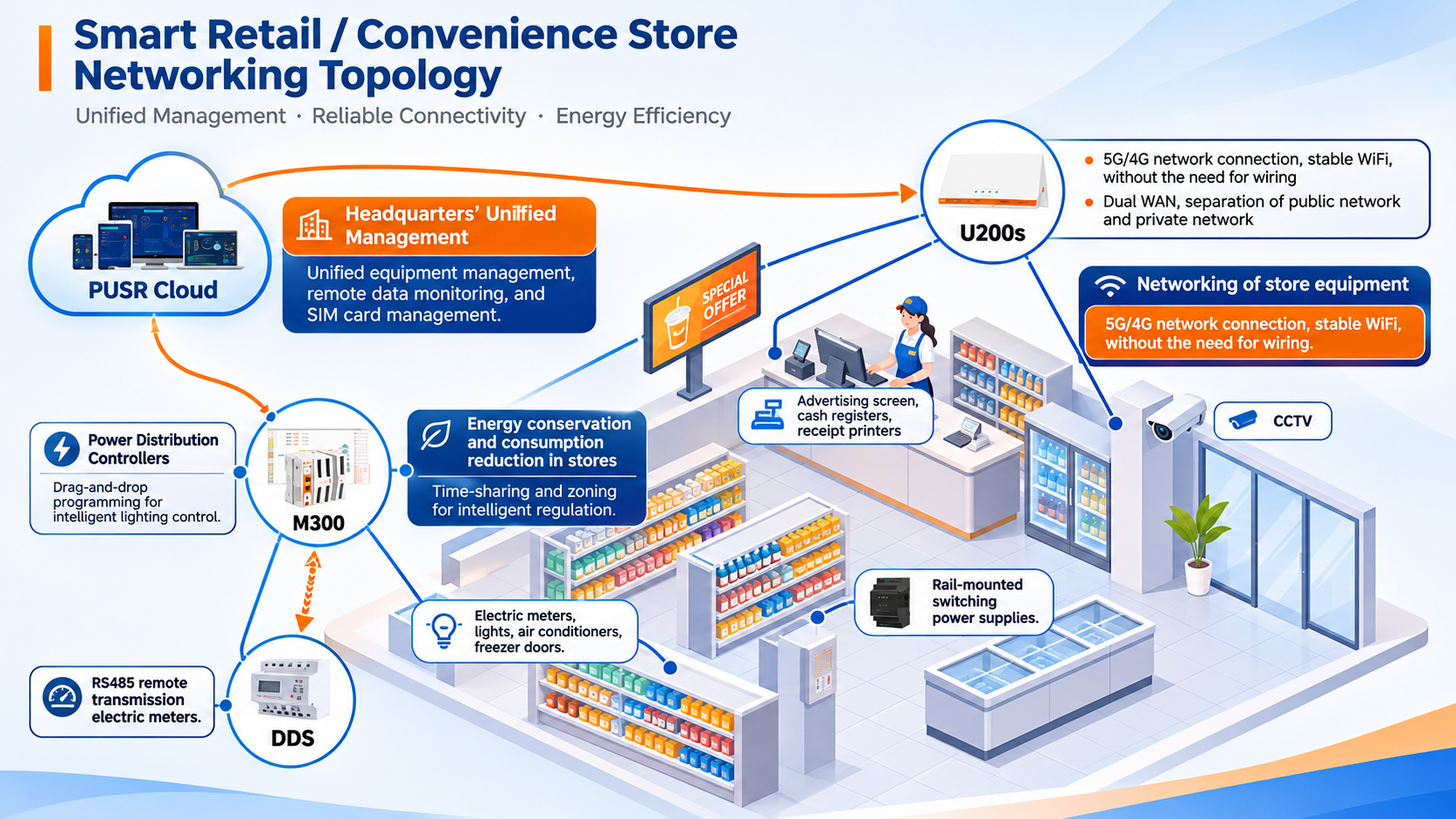
Applicable scenarios:
The core idea behind this entire solution is straightforward: use one industrial gateway to connect scattered devices, link them to the cloud, and manage everything centrally from headquarters. Hardware costs stay manageable, maintenance efficiency stays high, and the system scales flexibly without requiring separate equipment purchases for every new requirement.